Crime scene cleanup in Lewisville: what are the legal requirements?
Understand the legal requirements for crime scene cleanup in Lewisville, including regulations and compliance for biohazard situations.
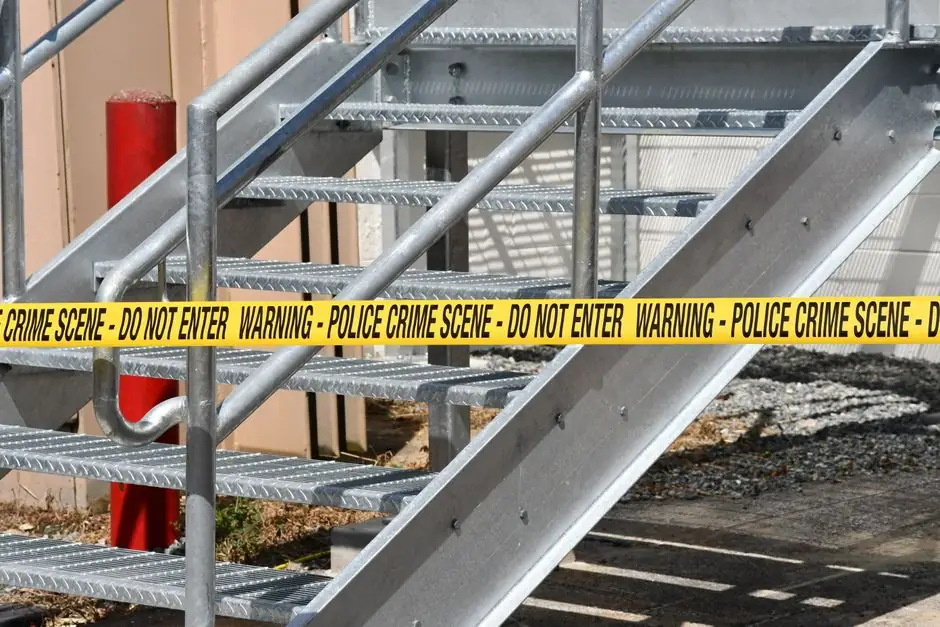
Crime scene cleanup in Lewisville involves specific legal requirements that must be adhered to for safety and compliance. Understanding these regulations is essential for both property owners and cleanup professionals in Lewisville.
This article will cover the legal obligations surrounding crime scene cleanup, including local laws, compliance tips, and when to seek professional help.
What are the legal requirements for crime scene cleanup?
Crime scene cleanup is a specialized service that ensures the safe removal of biohazards following a traumatic event. In Lewisville, the legal requirements for crime scene cleanup involve compliance with state and local regulations regarding hazardous materials and public safety.
Lewisville crime scene cleanup laws
Lewisville crime scene cleanup laws require that any cleanup following a crime must be handled by licensed professionals. This ensures that all hazardous materials, such as blood or bodily fluids, are disposed of according to Texas Health and Safety Code regulations. Failure to comply with these laws can result in fines and legal repercussions.
Additionally, the Texas Commission on Environmental Quality (TCEQ) outlines specific guidelines for the handling and disposal of biohazardous waste. These regulations are designed to protect public health and the environment from contamination.
How to ensure compliance with crime scene cleanup laws?
To ensure compliance with crime scene cleanup laws in Lewisville, property owners should hire certified professionals who are familiar with local regulations. It is crucial to verify that the cleanup company holds the necessary licenses and certifications for biohazard cleanup.
Furthermore, the cleanup process should include:
- Assessment of the crime scene to identify all biohazardous materials.
- Proper containment and disposal of hazardous waste.
- Documentation of the cleanup process for legal records.
By following these steps, property owners can mitigate legal risks associated with improper cleanup.
Understanding crime scene cleanup regulations in Lewisville
Understanding crime scene cleanup regulations in Lewisville involves knowing the specific protocols for handling biohazardous materials. The local health department may also have additional regulations that must be followed.
For example, cleanup professionals must wear appropriate personal protective equipment (PPE) to prevent exposure to harmful substances. This includes gloves, masks, and protective clothing. Additionally, the cleanup area must be properly secured to prevent unauthorized access during the process.
Common mistakes in crime scene cleanup
Common mistakes in crime scene cleanup often stem from a lack of knowledge regarding legal requirements. One major error is attempting to clean up a crime scene without professional help. This can lead to improper disposal of hazardous materials and potential legal consequences.
Another mistake is neglecting to document the cleanup process. Proper documentation is essential for legal protection and can serve as evidence that the cleanup was conducted according to regulations.
When to call a professional
Property owners should call a professional for crime scene cleanup whenever there is a situation involving blood, bodily fluids, or any hazardous materials. Attempting to handle these situations without the proper training and equipment can pose serious health risks.
CleanGuard Biohazard Solutions specializes in Crime Scene Cleanup Lewisville TX and is equipped to handle all aspects of biohazard cleanup safely and legally. Our team is trained to comply with all local regulations and ensure a thorough cleanup.
Frequently Asked Questions
What are the legal requirements for crime scene cleanup in Lewisville?
The legal requirements include hiring licensed professionals, following state regulations for hazardous waste disposal, and ensuring proper documentation of the cleanup process.
How to ensure compliance with crime scene cleanup laws?
Compliance can be ensured by hiring certified cleanup professionals who understand local laws and regulations, and by following all safety protocols during the cleanup.
What should I know about crime scene cleanup regulations in Lewisville?
Know that cleanup must be performed by licensed professionals, and that there are strict guidelines for the handling and disposal of biohazardous materials to protect public health.
What are the consequences of improper crime scene cleanup?
Improper cleanup can lead to legal penalties, health risks for individuals in the area, and potential contamination of the property, which may require costly remediation.
How long does crime scene cleanup typically take?
The duration of crime scene cleanup varies based on the complexity of the situation, but it usually takes several hours to a few days to complete.