How to identify and remove hazardous materials from your home
Discover essential tips for identifying and removing hazardous materials from your home in Lewisville, ensuring a safe living environment.
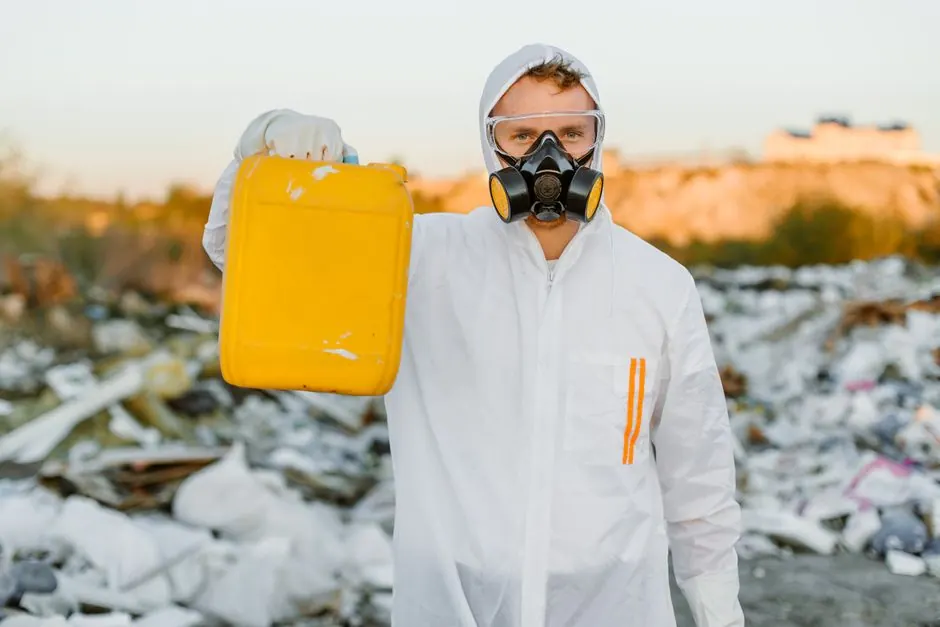
Identifying and removing hazardous materials from your home in Lewisville is crucial for maintaining a safe living environment. Hazardous materials are substances that can pose risks to health and safety, and knowing how to manage them effectively is essential for homeowners.
This guide will explore how to identify these materials, tips for safe removal, and when to seek professional help.
What are hazardous materials in the home?
Hazardous materials in the home are substances that can cause harm to human health or the environment. Common examples include chemicals, asbestos, lead paint, and biological waste. Understanding what constitutes hazardous materials is the first step in ensuring your home remains safe.
How to identify hazardous materials in Lewisville?
Identifying hazardous materials in Lewisville involves knowing where to look and what to look for. Regular inspections of your home, especially in older buildings, can reveal potential hazards. Look for:
- Old paint that may contain lead, especially in homes built before 1978.
- Asbestos insulation in attics or around pipes.
- Household chemicals stored improperly or in damaged containers.
- Biological waste, such as mold or animal droppings.
Additionally, local regulations may provide guidance on identifying hazardous materials specific to Lewisville.
Common hazardous materials found in homes
Homes can harbor various hazardous materials, including:
- Lead-based paint: Common in older homes, it can cause serious health issues, particularly in children.
- Asbestos: Found in older insulation, roofing, and flooring materials, it poses serious respiratory risks.
- Household chemicals: Cleaning agents, pesticides, and paints can be harmful if not stored properly.
- Mold and mildew: These can cause respiratory issues and are often found in damp areas.
- Biological waste: This includes blood, feces, or urine from humans or animals, which require careful handling.
How to safely remove hazardous materials from my home in Lewisville?
When it comes to hazardous materials removal, safety is paramount. Here are tips on how to safely remove hazardous materials from your home in Lewisville:
- Assess the situation: Determine the type and extent of the hazardous material present.
- Use protective gear: Always wear gloves, masks, and protective clothing when handling hazardous materials.
- Follow local regulations: Be aware of Lewisville's guidelines for hazardous waste disposal.
- Consider professional help: For large amounts or highly toxic materials, it's best to contact a professional service like Biohazard Cleanup Lewisville TX.
Common mistakes to avoid
Homeowners often make mistakes when dealing with hazardous materials, leading to safety risks. Here are some common pitfalls:
- Ignoring signs of hazardous materials, such as peeling paint or dampness.
- Attempting to remove materials without proper training or equipment.
- Improper disposal of hazardous waste, which can lead to environmental contamination.
- Delaying professional help when faced with significant hazards.
When to call a professional
Knowing when to call a professional for hazardous materials removal is crucial for safety. If you encounter significant hazards, such as large amounts of biological waste or suspected asbestos, it's time to seek help. Professionals like CleanGuard Biohazard Solutions specialize in Lewisville TX Hazardous Cleanup and can ensure safe and compliant removal of hazardous materials.
Frequently Asked Questions
What are hazardous materials in the home? Hazardous materials include substances like lead paint, asbestos, mold, and certain household chemicals that can pose health risks.
How to identify hazardous materials in Lewisville? Look for signs such as old paint, damaged insulation, or improperly stored chemicals. Regular inspections can help identify these materials.
When should I seek help for hazardous material removal? Seek professional help when dealing with large amounts of hazardous materials or when you are unsure of safe removal methods.